How Quickly Can Someone Move Into a Care Home in Derbyshire?

When the time comes to consider moving into a care home in Derbyshire, one of the first questions many families consider is how quickly their loved one can move in. Whether the decision follows a sudden change in health or a gradual recognition that more support is needed, timing can feel uncertain. For those exploring options in Derbyshire, understanding what to expect can help make the transition feel more manageable.
In this guide, we explore how soon somebody can move into a care home, what factors influence timing and how the process is handled to ensure each resident receives the right care and support from the very beginning.
How Quickly Can Someone Move In?
The length of time it takes to move into a care home can't be measured. In some situations, individuals can move in quickly, while for others it may take longer. In certain circumstances, such as after a hospital stay or a sudden decline in health, the transition can be arranged within a week as long as the chosen home has availability and can cater to the individual's needs.
In other situations where families are simply planning for the future, the journey will take more time. This allows them to visit local care homes, speak with the care teams and ensure the environment feels right for their loved one. Even in these cases, the process is designed to offer reassurance and ease throughout their research.
Care home teams understand that this is a big decision. Their focus is on supporting people at their own pace while ensuring that any move into a care setting is safe, comfortable and well planned.

What Factors Impact How Soon Someone Can Move In?
Bedroom Availability
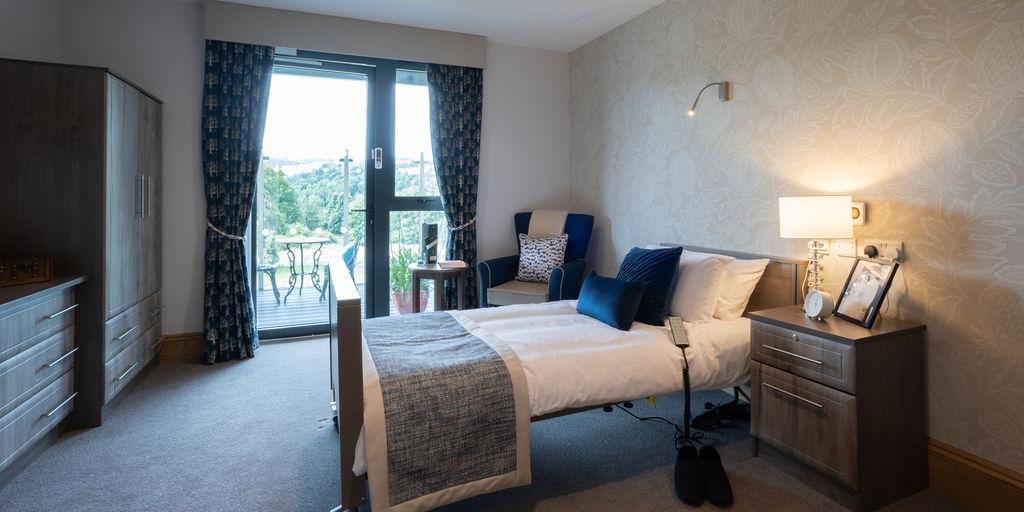
One of the main factors that affects how quickly someone can move into a care home in Derbyshire is whether there is a suitable room available. Some care homes may have immediate availability, while others may have a waiting list, particularly if they are in high demand or offer specialist support.
The type of room can also make a difference. Some residents or family members may prefer a certain layout or view if the home offers this, which can sometimes mean waiting a little longer for the right space.
Medical and Personal Care Needs
Before moving into a care home, it is important to understand the level of care required. To find out the type of care an individual requires, they should receive a care needs assessment, which is carried out by external health professionals or the care home team. This ensures that when families are looking for care homes in Derbyshire, they are only considering ones that offer the level of care their loved one requires.
Although this process is thorough, it is often completed quickly, especially when there is an urgent need for support. Many care homes are experienced in coordinating with healthcare professionals to avoid unnecessary delays.
Care Home Visits
For many families, taking the time to visit care homes is an important part of the decision-making process. A visit allows people to see the care home setting first-hand, meet staff and speak with those involved in supporting residents around the clock.
During a visit, families can gain a clearer understanding of daily life within the home, including social opportunities, meal options and how residents are supported using care plans. It is also an opportunity to ask questions and learn about what to expect in the early days.
Some families choose to visit multiple local homes before making a decision. While this can take a little more time, it often provides reassurance and peace of mind that they have found a suitable care home that meets their loved one’s needs.
Local Authority Funding and Financial Arrangements
In some cases, the involvement of a local authority can influence how soon someone is able to move into a care home. When support is arranged through the local council, coordination between multiple professionals is needed to identify a suitable home. This process can take additional time, particularly if they require a more specialist level of support. Clear communication between families, the local authority and the care home can help ensure that arrangements progress as smoothly as possible, while still prioritising the individual’s needs and well-being.
For those who are self-funding, the process of moving into a care home is often more flexible and can be arranged quickly. Without the need for external involvement, individuals and their families can choose a suitable care home completely based on personal preferences and specific care needs.

Preparing for the Transition
Once a care home in Derbyshire has been chosen, the care team will work closely with families to agree a moving date and ensure everything is in place for their loved one. Many will also encourage residents to bring familiar belongings or even small pieces of furniture which can help their room feel more like home from the moment they move in. These additions can make a meaningful difference, especially during the early days where residents are adjusting.
Care homes aim to make this stage as smooth as possible by offering support and guidance so residents and their families feel confident about the move.
What To Expect in the Early Days
The first few days after moving into a care home in Derbyshire are often a period of adjustment. It is natural for residents and families to feel a mix of emotions and take time becoming settled in the environment.
Before they move in, the team will collaborate with residents and their loved ones to create a care plan that outlines all aspects of their life, including their needs, life history, personal interests and dietary requirements. This will follow them throughout their entire journey, but care homes will apply this from the moment they move in to ensure residents feel as comfortable as possible.
Families are encouraged to stay involved during this time. Visiting regularly and spending time together can help ease the transition and provide comfort. Open communication with the care team also plays an important role, as it allows families to ask questions and feel reassured about their loved one’s well-being.
Over time, many residents begin to feel more at ease as they build relationships, take part in activities and settle into a new routine with ongoing support. Care homes are designed to offer a home-from-home environment and ensure residents can focus on what they love doing most, while the team take care of the rest.
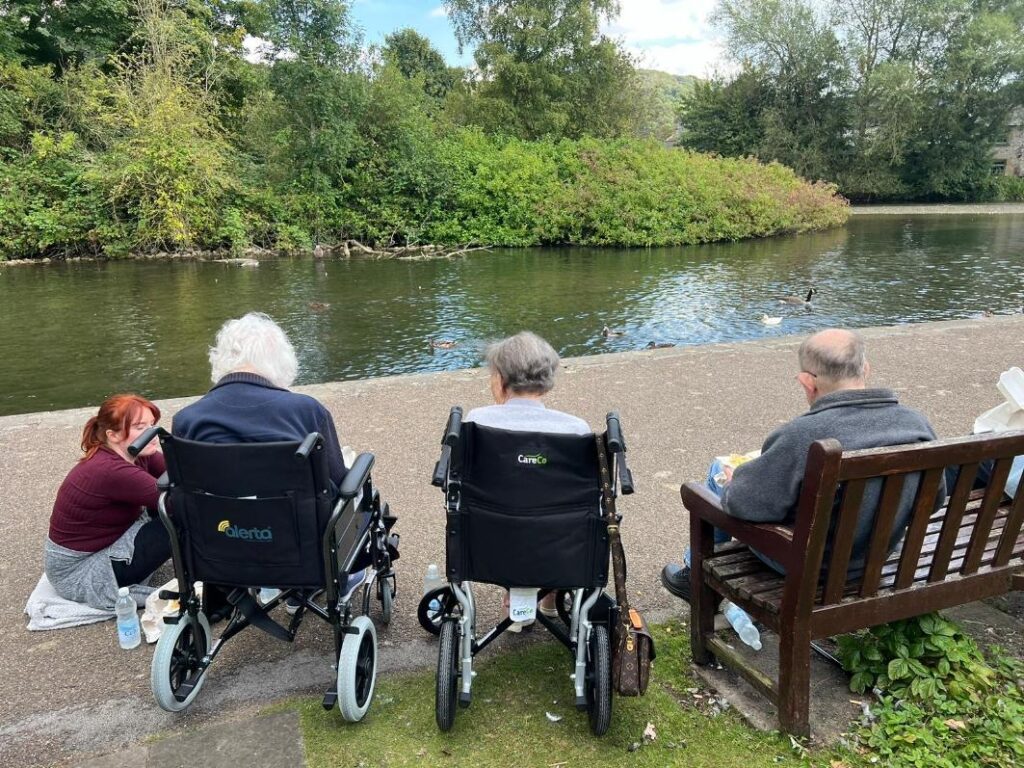
Exceptional Care at Darcy House Care Home
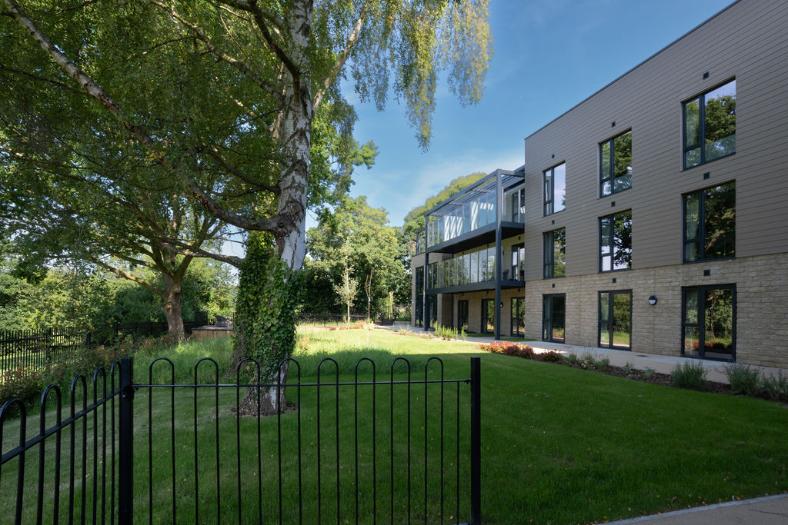
At Darcy House Care Home in Derbyshire, the process of moving is handled with care, understanding and a strong focus on each individual. Whether the move is needed quickly or planned over time, our team works closely with families to ensure a smooth transition into our welcoming environment.
We are proud to provide the highest levels of residential care, nursing care, dementia care and respite care, each shaped by the individual needs of our residents. Every individual receives a tailored care plan that follows them throughout their entire journey and is updated as their needs or preferences change. They also have unlimited access to our in-house facilities and amenities, including our private gardens, hair & nail salon, cinema room, music & sensory room and café.
If you are considering a care home in Derbyshire and want to learn more about the luxury environment we offer at Darcy House, get in touch today and book a tour. We can't wait to meet you and guide you through your next steps.