What is Respite Care for the Elderly?

Providing care for an elderly loved one can be challenging. Caregiving duties can become physically and emotionally demanding, as many family carers may have to juggle supporting loved ones with their own lives and careers. As caring duties increase, family members may recognise that they require more short-term assistance from external care experts. A care home in Chesterfield providing respite care can ensure individuals can continue to receive the care and any additional support they require in a secure and encouraging environment while giving carers a much-needed rest.
This blog will discuss what respite care for the elderly includes, the benefits for you and your loved one, and how it is effectively delivered in a care home.
What is Respite Care for Older Adults?
Respite care for the elderly is short-term care that supports family members with taking a break from their caregiving duties while still knowing that their loved one is receiving the support they need. Depending on the nature of each situation, it is intended to assist residents over a period of time that may vary from a few weeks to a few months.
In a care home in Derbyshire, respite care can take many different forms, such as short-term stays which are planned ahead of time or emergency care for unforeseen personal events such as illnesses or hospital stays. Residents receive individualised support from qualified carers who are equipped to support older adults with a range of needs, in turn reassuring family members that their loved one is in safe hands.
Additionally, respite care offers extra assistance during recovery prior to returning home following hospital stays or illnesses. As well as aiding in the rehabilitation process, respite gives older adults a chance to live in a care home and interact with staff and other residents, boosting opportunities for social interaction and improving overall wellbeing.
Respite care is provided with the same level of care and expertise as long-term care, despite being temporary. Throughout a respite stay, residents receive personalised support tailored to their specific needs, making them feel safe and at ease no matter the length of their stay.
Understanding the Different Types of Respite Care
Many families find respite care services a reassuring option because they can receive support regardless of their needs. Some individuals benefit from a brief stay in a care home, where they can experience the connection and sense of belonging that come from interacting with like-minded individuals while they receive 24-hour assistance in a supportive setting. For older adults who live alone in particular, this can lessen feelings of loneliness and promote emotional well-being. If someone needing support would rather stay in their own home, they may receive live-in support, with carers coming to assist with everyday tasks for a few hours.
For those in need of care at short notice, some care homes also offer emergency respite care. This is particularly important when residents or carers are handling unforeseen illnesses, hospital stays, or other responsibilities. Emergency respite care ensures that residents will receive the best possible support, even in cases where immediate arrangements are needed.
The Benefits of Respite Care in Derbyshire
Both residents and carers benefit from respite care. Respite care can provide valuable peace of mind for families, knowing their loved one is safe and supported by a trusted team. This reassurance can ease worries and allow relatives to focus on their own wellbeing without constantly wondering whether the right care is being provided. A brief stay in a care home can give residents access to high-quality, person-centred support and create chances for social engagement in a secure setting where their health needs are the top priority.
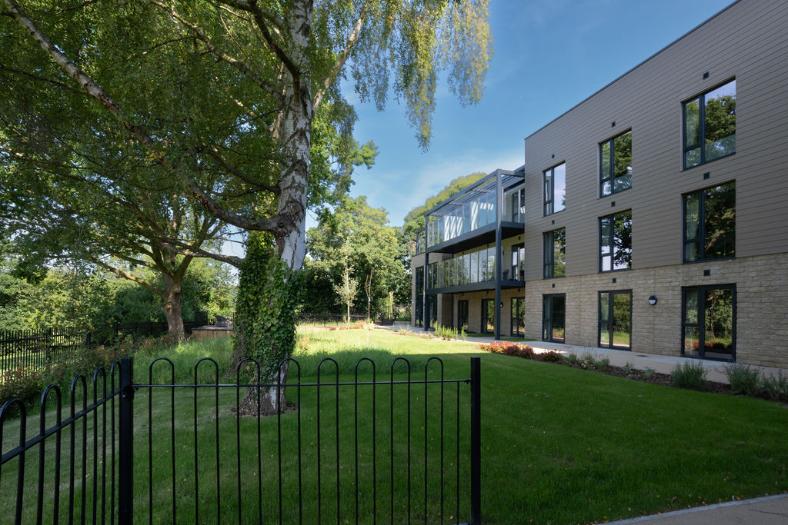
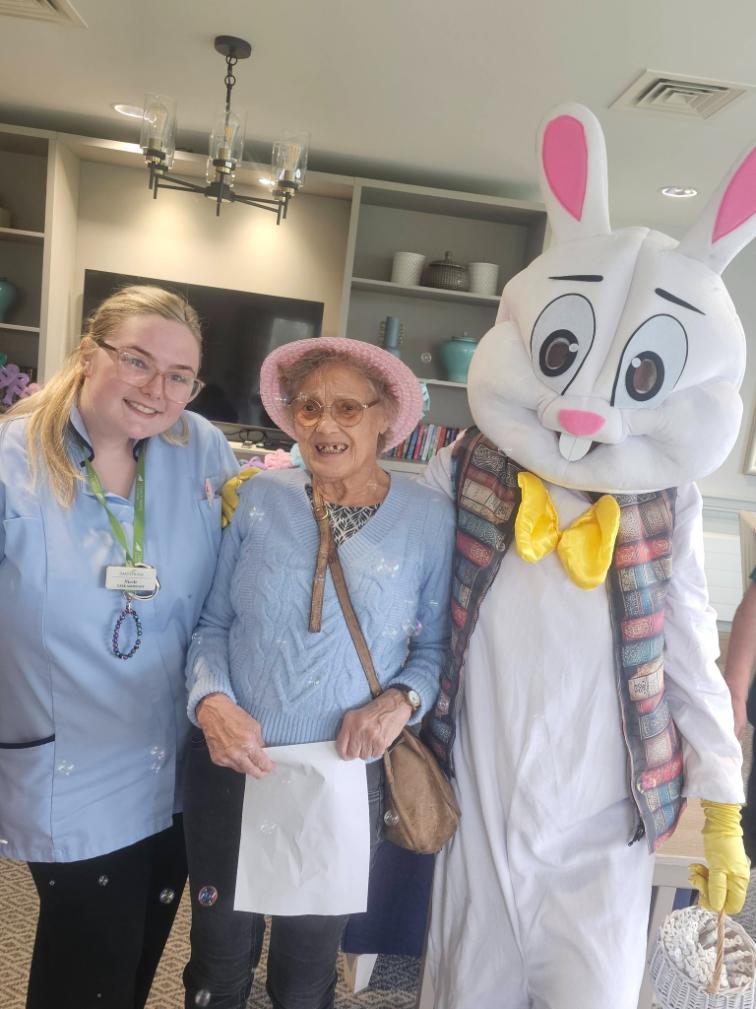
As they settle into a new home-from-home environment, many residents find that a change of scenery where they are assisted by qualified staff makes them feel more at ease, especially when the care team takes the time to understand their needs. Care homes offer a variety of in-house facilities for residents to enjoy at any time throughout their stay and a regular activities programme that is centred around their hobbies and interests. Participating in everyday activities and interacting with other residents promotes emotional health and reduces loneliness.
A respite stay can also serve as a "trial period" to determine whether a specific home is the best fit for them long-term. For individuals considering a move into a care home, a trial period provides the opportunity to experience daily life in the setting before making a long-term decision. An individual can become familiar with the accommodation, routines, the care team, and other residents, while staff can gain a better understanding of their preferences and support needs. This gives the individual and their family time to ask questions and decide whether the home feels right, making arrangements with greater confidence and reassurance.

What Does a Respite Stay Include?
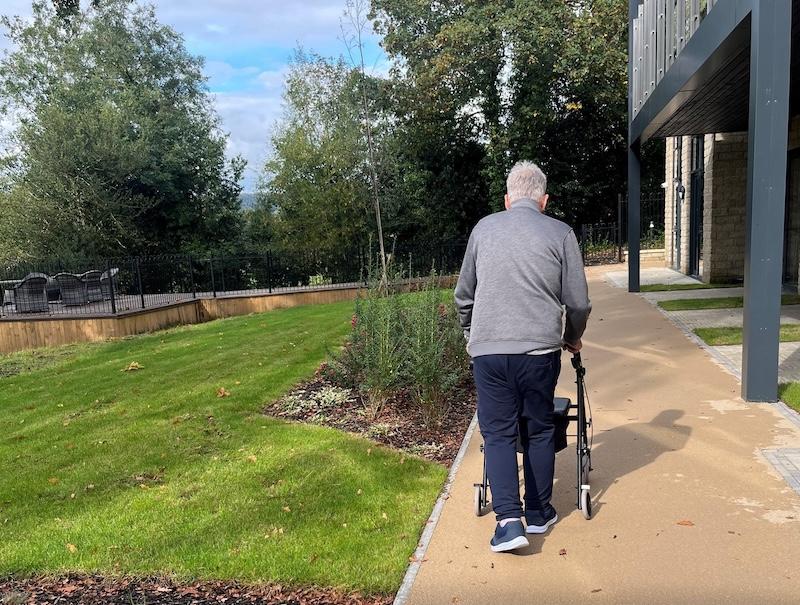
Respite residents benefit from the same level of care and activities as longer-term residents, regardless of how long their stay is. Each resident will have their own bedroom, daily nutritious meals prepared tailored to their preferences, housekeeping and laundry services, and access to shared spaces for socialising opportunities. Additionally, personal care is offered, which includes help with mobility, clothing, washing, and medication management.
Care homes adopt a person-centred approach to care, which is implemented using a care plan created with residents and their loved ones before their stay.
A care plan will take into account a resident's preferences, medical needs, daily routines, life history and dietary requirements. The dedicated team is trained in managing a range of needs to foster a welcoming environment for those receiving respite care while encouraging overall wellbeing.
Arranging a Respite Care Stay in a Derbyshire Care Home
An assessment to determine the degree of support a loved one requires is typically the first step in setting up respite care. This includes a needs assessment conducted by the home or, in certain situations, by the local council or authority. Following this, you should research local care homes that provide respite care and book tours to see first-hand what their environment includes and how the team interacts with residents. This will help provide peace of mind that the home can support your loved ones' needs throughout their temporary stay.
It is also important to ask if the home offers emergency respite care arrangements, so you don't have to worry about finding other services if unforeseen circumstances arise.
Short-Term Care with a Personal Touch at Darcy House
At Darcy House Care Home in Derbyshire, we provide respite services to those who require additional support for a short period of time. Our respite care guarantees a friendly setting where all residents can continue their favourite activities while getting exceptional assistance. Our committed team is here to support whether care is required after a hospital stay, during a caregiver's break, or on short notice.
To meet the specific needs of each of our residents, we tailor our residential care, nursing care, dementia care and respite care. Our team of professionals is available to support residents and their loved ones at every stage, regardless of the length of their stay with us.
At Darcy House, we recognise that even a brief stay should be as comforting and uplifting as a longer-term stay. From cosy settings to well-organised daily activities, our goal is to establish a setting that makes people feel comfortable as soon as they move in.
If you are considering respite care and would like to learn more about how a care home in Chesterfield could support your loved one, Darcy House is here to help. We encourage you to get in touch with us today. Our team is available to assist you in scheduling respite care and make sure you and your loved one feel properly welcomed.