What Does Continuum of Care Mean?
The problem with looking for a care home is that you know what your loved one needs now, but what happens if their health worsens in the future? What you don't want to do is find an amazing home that only caters for their needs for six months before you have to start the whole process again as their needs change. Understanding what care options are available and how they adapt to your relative’s evolving needs is essential for peace of mind. One important concept that can help ease these concerns is the care model known as a continuum of care. This approach encompasses a full range of healthcare services, from preventive wellbeing support to advanced medical or palliative care, ensuring that your family member receives comprehensive health or care services at every stage of life. A continuum of care means that healthcare services are delivered in a coordinated manner, promoting seamless transitions and consistent support as needs change.
Defining Continuum of Care
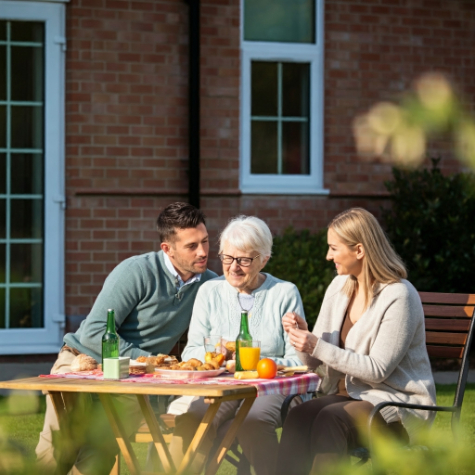
Imagine a care journey where your loved one’s needs are met with gentle, thoughtful support every step of the way, no sudden upheavals or unfamiliar places to adjust to. That’s the heart of the continuum of care: a seamless, coordinated range of health and social services designed to evolve alongside an individual’s changing requirements, from everyday assistance to more specialised medical support. The continuum of care covers different stages of health and support needs, adapting as individuals move through various phases of life. In a care home, this means residents can stay in the same warm, familiar environment as their health shifts, whether due to age, chronic conditions, or unexpected changes, while their personalised care plan is regularly updated to keep everything just right. This person-centred approach builds on strong relationships with their carers, which makes sure that care is tailored to each person's specific needs so it feels supportive and reassuring rather than rigid.
How Continuum of Care Works in Long Term Nursing Care
In a good care home, the continuum of care unfolds gently and seamlessly, allowing residents to transition between levels, like from independent living to nursing or dementia support, within the same welcoming home, without the heartache and potential confusion of moving elsewhere. Ensuring smooth transitions is essential for residents, reducing confusion and stress while maintaining consistent, person-centred care.
In a care home dedicated care teams of healthcare professionals collaborate closely, sharing insights and monitoring health daily through regular check-ins, assessments, and family updates, so any changes are spotted early and addressed with kindness and expertise. Electronic health records support this collaborative approach by enabling effective care coordination and seamless information sharing among all professionals involved.
This teamwork ensures care plans evolve proactively, with staff trained to respond swiftly to deteriorations, whether it’s arranging physiotherapy or enhancing medical oversight, all while keeping routines familiar and comforting. It’s about creating a safety net that feels like an extension of home, giving everyone involved the confidence that support is always one step ahead.
Benefits for Residents and Families are Improved Health Outcomes
Choosing a care home with a continuum of care offers reassurance for families, and they know they've found their loved one a 'home for life' where they can flourish even when their health needs change, surrounded by the comfort of familiar faces and routines. For residents, the greatest gift is stability, no disruptive moves mean less stress, better emotional wellbeing, and preserved independence, especially for those facing dementia or chronic conditions where continuity is key.
Families appreciate the peace of mind from personalised care that evolves seamlessly, with 24/7 access to skilled staff who know their relative’s life story, preferences, and history, minimising risks during transitions. Involving family members in care planning helps everyone make informed decisions about care, highlighting the importance of effective communication . This continuum of care model fosters deep, lasting relationships among residents, staff, and loved ones, building a supportive community that enhances quality of life and reduces anxiety about the future. Proactive monitoring and adaptable plans ensure timely interventions, leading to improved health outcomes and supporting overall wellbeing, while allowing precious time for family visits in a warm, welcoming setting.
Continuum of Care Model and it's Different Stages
Within a care home’s continuum of care, support gently escalates through various levels, ensuring your loved one receives exactly what’s needed without leaving their familiar home. The continuum of care includes primary care, preventive care, and wellness programs to support maintaining health and early detection.
These are the most common stages, each tailored with care services and supportive services adapted to each stage:
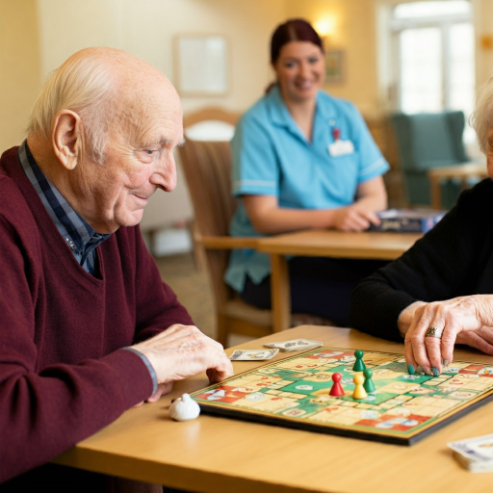
Residential Care: Ideal for those who need light assistance with daily tasks like meals, housekeeping, or companionship, while enjoying a vibrant, social environment that feels just like home. Health screenings, preventative measures, and supportive services are provided to help residents maintain self sufficiency and independence.
Nursing Care: Provides medical oversight for ongoing conditions, with registered nurses on hand for wound care, injections, or complex health management, all in a reassuring setting. Skilled nursing, long term nursing care, and ongoing assistance are available for those with chronic health conditions, ensuring continuous support and stability.
Dementia Care: Specialised environments with trained staff offering memory support, sensory activities, and safety measures to nurture cognitive health and emotional security. Support is tailored for those experiencing cognitive decline, with an emphasis on familiar surroundings to reduce anxiety and the challenges that can arise from unfamiliar carers.
Palliative and End-of-Life Care: Focuses on comfort, pain relief, and dignity in later stages, with holistic support for residents and families during this tender time. Pain management, care for terminal illnesses, and continuous support are central to this stage, ensuring quality of life and emotional reassurance.
Rehabilitation Services: Short-term therapy after surgery, illness, or falls, including physiotherapy to rebuild strength and confidence for daily living. Short term rehabilitation, physical therapy, and other care services support recovery and smooth transitions back to independence.
Choosing Coordinated Care for Your Loved One
Finding a care home committed to providing a continuum of care is a thoughtful step towards planning for your loved one’s long-term wellbeing. So when you start vising care homes keep these key areas in mind to ensure the support matches their potential future needs too. Start by exploring how the home assesses and monitors health changes with a coordinated approach , such as through initial comprehensive evaluations and routine check-ins that catch subtle shifts in mobility, cognition, or overall vitality early on. This proactive approach helps prevent unnecessary hospitalisations and leads to improved health outcomes.
Next, ask about care plan reviews and family communication: ask how frequently plans are updated, perhaps monthly or after key events, and whether updates come via meetings, apps, or reports that keep you involved and informed every step of the way. Qualifications and staff availability are crucial too; inquire about training in specialised areas like dementia or nursing, day-and-night ratios, and stability. You'll look at CQC ratings, of course, but it's really important to find a home with warm, experienced teams who build lasting bonds and offer ongoing assistance is available to support residents as their needs change, ensuring continuous care and peace of mind.
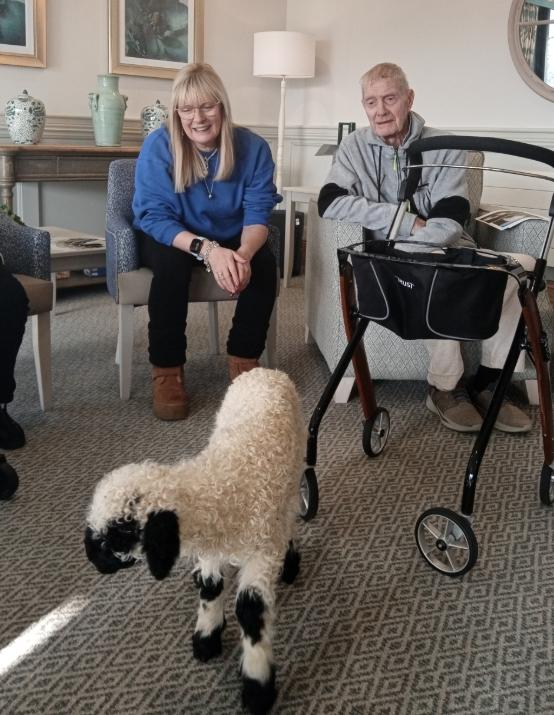
Finally, confirm the full scope of on-site services, from residential to palliative care, ensuring no need for disruptive transfers, tour facilities like activity spaces or dementia units to picture seamless progression. Understanding the full scope of what care refers to within the continuum of care helps families make informed decisions about their loved one’s care journey. Watching genuine staff-resident interactions during your visit often reveals the nurturing environment that truly embodies continuum of care and demonstrates how it fits within the broader healthcare system.
Care Services That Change With Your Loved One's Health
Embracing a care home with continuum of care means your loved one can face health changes with the gentle assurance of staying in one nurturing, familiar place, receiving precisely the right support without the distress of relocation. This holistic approach wraps families in peace of mind, knowing evolving needs, from residential assistance to palliative comfort, are met seamlessly by a dedicated team who understand their whole story. At Darcy House Care Home in Matlock, experience this compassionate approach firsthand, book your personal tour today or contact our caring team to discuss how we can support your family.